Media Propaganda in the Digital Age: How It Shapes What We Believe
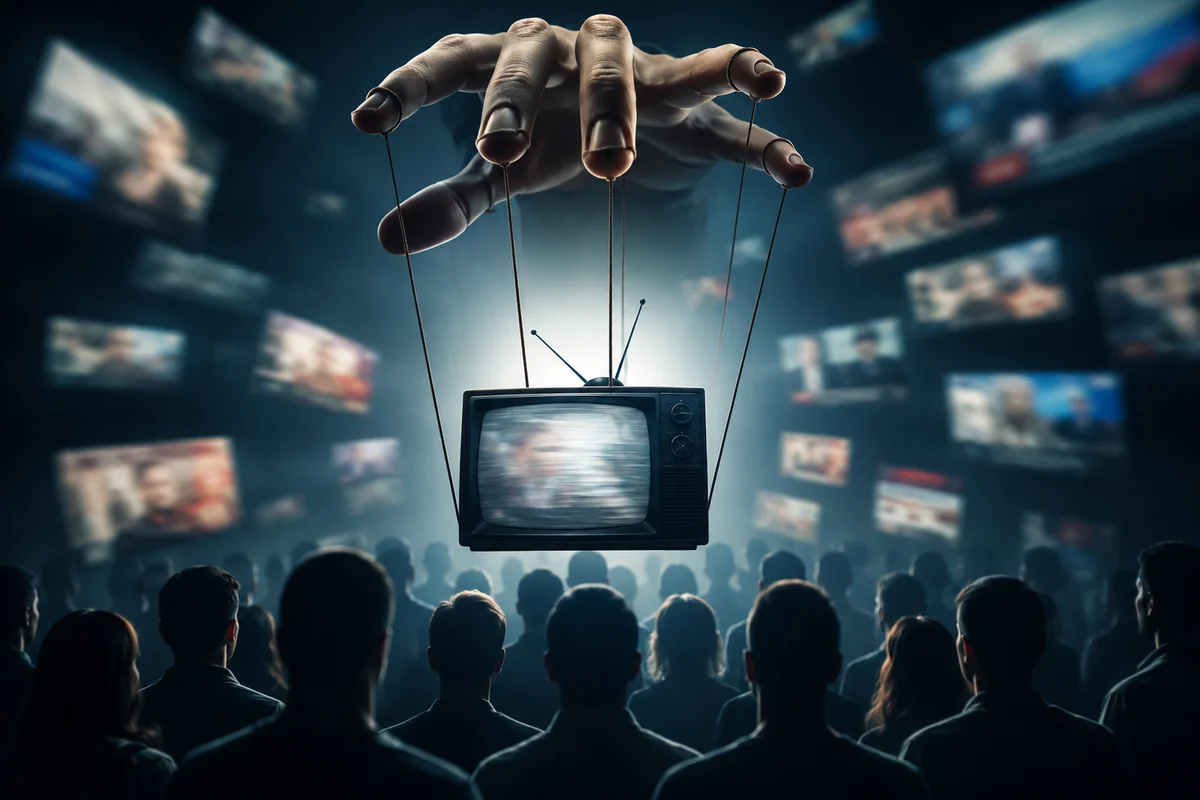
Open any phone on any given morning and information arrives from a dozen directions at once: a news alert, a viral clip, a forwarded message, a headline glimpsed mid-scroll. Television, newspapers, websites, YouTube, X (formerly Twitter), Instagram, Facebook, and messaging apps all compete for the same few minutes of attention — and never has so much reached so many people so quickly. Access to information has never been easier. Telling fact from narrative, though, has rarely been harder.
That's where the idea of media propaganda comes in — a concept far older than the internet, yet very much alive within it.
Propaganda isn't simply another word for fake news or misinformation, whatever its casual use online might suggest. Experts define it more precisely: the deliberate, systematic use of communication to influence how people think, feel, or act, usually in support of a particular cause, ideology, government, organization, or individual.
What, Exactly, Counts as Propaganda?
Media propaganda uses the platforms available to push a particular narrative forward — whether by emphasizing convenient facts, quietly leaving out inconvenient ones, or framing information so it produces a desired public reaction. Crucially, propaganda doesn't have to be false. It can be entirely true, entirely fabricated, or some blend of both. What separates it from balanced journalism isn't accuracy; it's intent — a deliberate aim to shape public opinion toward a specific goal.
Where Journalism and Propaganda Part Ways
Journalism, at its best, runs on a different set of instincts: verified facts, multiple sources, transparency, and a willingness to correct the record when something's wrong. Propaganda works differently. It sets out to persuade — leaning on emotion, selective evidence, and repeated messaging rather than offering the full, complicated picture.
The Playbook Hasn't Changed Much
Governments, political groups, corporations, and social media campaigns have leaned on a strikingly consistent toolkit for generations:
- Emotional language built to trigger fear, anger, or patriotism
- Cherry-picked facts that leave out anything inconvenient
- A message repeated until it simply feels familiar
- Slogans and catchphrases built for repetition
- A clear "us versus them" framing
- Dramatic images or videos stripped of context
- Coverage of only one side of an issue
None of this is new — media and communication researchers have studied these techniques for decades.
Why Social Media Changes the Equation
Traditional propaganda moved at the pace of a printing press or a broadcast schedule. Today's moves at the pace of an algorithm. It spreads through viral videos, bots, influencers, memes, and increasingly, AI-generated content — a misleading post can reach millions of people within hours, making it harder for audiences to separate verified reporting from manipulated content. Researchers tracking this shift have pointed to memes in particular, noting how propaganda techniques increasingly show up folded into memes and other multimodal social media content.
Bias Isn't the Same Thing as Propaganda
It's tempting to treat the two as interchangeable. They aren't. Nearly every news organization, journalist, or individual carries some degree of bias — true neutrality is a difficult standard for anyone to fully meet. But bias by itself doesn't make something propaganda. What tips the balance is intent: a deliberate attempt to influence public opinion through strategic messaging, repetition, or selective presentation of information.
When Platforms Become Part of the Story
It isn't only governments and media outlets that shape narratives. Digital platforms make thousands of quiet design and moderation calls — what trends get promoted, what content gets recommended, how a symbol or emoji is displayed — and some of those calls become politically controversial in their own right. Change how a national symbol appears on a platform, for instance, and some users will call it political bias while others see nothing more than a symbolic or product choice. These moments tend to feed into larger, ongoing debates about platform neutrality. Whether a specific decision actually amounts to propaganda comes down to the available evidence, context, and intent — not simply how loudly people argue about it.
How to Protect Yourself
There's no perfect filter against propaganda, but a few habits go a long way:
- Cross-check reports against multiple credible sources
- Ask whether a claim is actually backed by evidence
- Trace images and videos back to their original source
- Separate straight news reporting from opinion writing
- Treat highly emotional headlines with extra caution
- Verify viral content before sharing it
Critical thinking and media literacy remain the strongest defense against manipulation.
Media propaganda isn't new. What the internet has done is make it faster and more powerful than ever before — a tool available to governments, political groups, corporations, activists, and coordinated online campaigns alike. At the same time, not every biased report or controversial headline deserves the label.
The responsibility, in the end, cuts both ways. Journalists owe their audiences accuracy, transparency, and a willingness to verify. Readers owe themselves a habit of questioning what they see, checking it against other sources, and looking for evidence before settling on a conclusion. In an age of information overload, informed skepticism may be the single most valuable skill a citizen can have.
Note: This article explains the concept of media propaganda from an educational perspective. It does not label any specific organization, government, or platform as engaging in propaganda without evidence.
Latest News
- Meta Outage Today: Facebook, Instagram and Threads Down for Thousands Worldwide
- NEET Paper Leak, Public Protests & India's Accountability Crisis
- Rohit Sharma, Kohli & Jadeja: India's 2027 World Cup Transition
- Kudankulam Nuclear Plant Data Leak: India Launches Probe
- EU Deepens Ukraine Defence Partnership Amid Russian Threat
- Has India's Diplomatic Momentum Slowed? Pakistan's Iran Deal Role Raises Questions
- DuckDuckGo 'No AI' Traffic Triples After Google I/O
- Twin Earthquakes Strike Venezuela, Killing 32 and Injuring Around 700
- US Waives Iran Sanctions 60 Days; Trump Warns on Compliance
- UK PM Keir Starmer Resigns, Andy Burnham Set to Replace