EU, Ukraine Deepen Defence Ties as Lithuania Flags Possible Russian Threat to Infrastructure
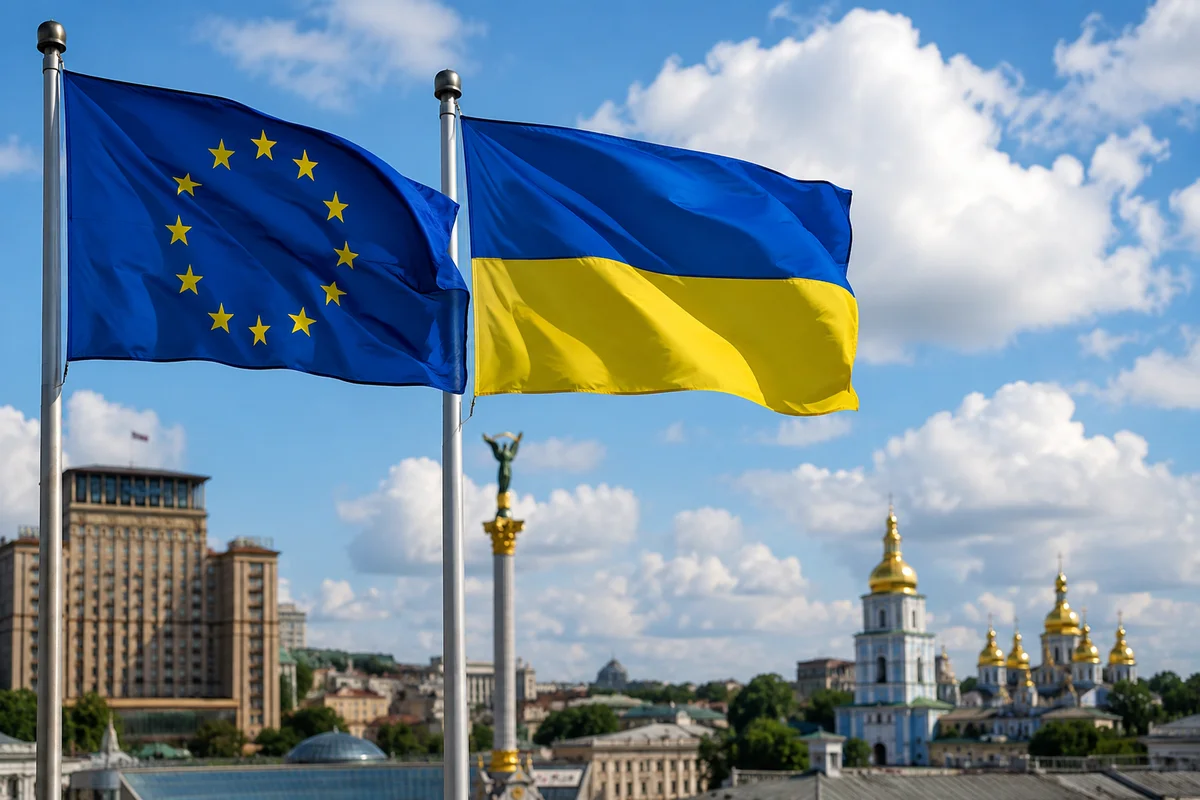
KYIV/VILNIUS, July 15 — The European Union pledged to broaden its defence partnership with Ukraine on Tuesday, even as Lithuania cautioned that Moscow could be readying strikes on infrastructure it considers critical, in the latest sign of rising security anxiety across the Baltic region.
European Commission President Ursula von der Leyen traveled to Kyiv for Ukraine's Statehood Day commemorations, where she put forward a proposed EU-Ukraine Defence Industrial Partnership designed to build up Europe's own defence capacity while keeping Ukraine's wartime production lines running. Appearing alongside President Volodymyr Zelenskyy, she said the plan would expand joint weapons manufacturing, lift ammunition output, deepen air-defence cooperation, and bring Ukraine's rapidly growing defence sector into closer alignment with its European counterparts.
As part of the announcement, Kyiv signed agreements granting it access to EU defence programmes, underpinned by roughly €300 million earmarked for defence innovation and production.
Von der Leyen argued that Ukraine was safeguarding not just its own sovereignty but Europe's security more broadly, describing the country as one of the continent's most inventive defence partners after more than four years of fighting. Zelenskyy echoed the sentiment, saying Ukraine had emerged as a central pillar of European security and that tighter ties with Brussels were essential to lasting stability in the region.
The announcement extends a broader European drive to shore up collective defence. Days earlier, Ukraine and nine European countries set out plans for a joint ballistic-missile defence programme, a step officials linked to the persistence of Russian missile and drone strikes.
Focus has also shifted north to the Baltics, where Lithuanian President Gitanas Nausėda said his country's intelligence services had picked up signals that Russia may be planning strikes on critical infrastructure. Nausėda said the intelligence gave no indication of timing or location and did not confirm Lithuania itself as the target, though he noted the threat could extend to energy facilities, transport links or other strategically important sites.
Lithuania — a NATO and EU member bordering both Russia's Kaliningrad exclave and Belarus — has since stepped up security at major energy and transport installations. Officials in Poland and other Baltic states have voiced comparable concerns in the past about possible Russian sabotage or hybrid operations.
The Kremlin dismissed Lithuania's warning outright, with Russian officials branding it "scare stories" intended to justify NATO's growing military footprint in Eastern Europe, while denying any intention to strike civilian infrastructure.
The latest moves come more than four years after Russia launched its full-scale invasion of Ukraine in February 2022, igniting Europe's largest armed conflict since World War Two. The EU has since layered on successive rounds of sanctions against Moscow while channeling extensive military, financial and humanitarian aid to Kyiv, and officials describe the newest defence push as part of a continuing effort to reinforce Ukraine's armed forces as the war drags on with no resolution in sight.
Even as EU leaders press ahead with expanded defence cooperation, Lithuania's warning is a reminder of the security pressures still bearing down on NATO's eastern flank. Authorities have stressed that the intelligence points to a possible threat rather than a confirmed plot, and no evidence has yet been made public indicating that an attack is imminent. Governments across Europe say they are stepping up vigilance as they continue to track the situation.
Latest News
- Has India's Diplomatic Momentum Slowed? Pakistan's Iran Deal Role Raises Questions
- DuckDuckGo 'No AI' Traffic Triples After Google I/O
- Twin Earthquakes Strike Venezuela, Killing 32 and Injuring Around 700
- US Waives Iran Sanctions 60 Days; Trump Warns on Compliance
- UK PM Keir Starmer Resigns, Andy Burnham Set to Replace
- Nobel Laureate John Jumper Leaves DeepMind for Anthropic
- UAE Bans Social Media for Under-15s in New Child Safety Law
- India Blocks Telegram Until June 22 Amid NEET-UG 2026 Re-Exam Fraud Fears
- Trump Says US-Iran Deal Near; Tehran Urges Caution
- DeepSeek Seeks $7.4 Billion Funding Round as Tencent and CATL Eye Stakes