Delhi Transporters to March to Parliament Over E20 Petrol Policy on August 4
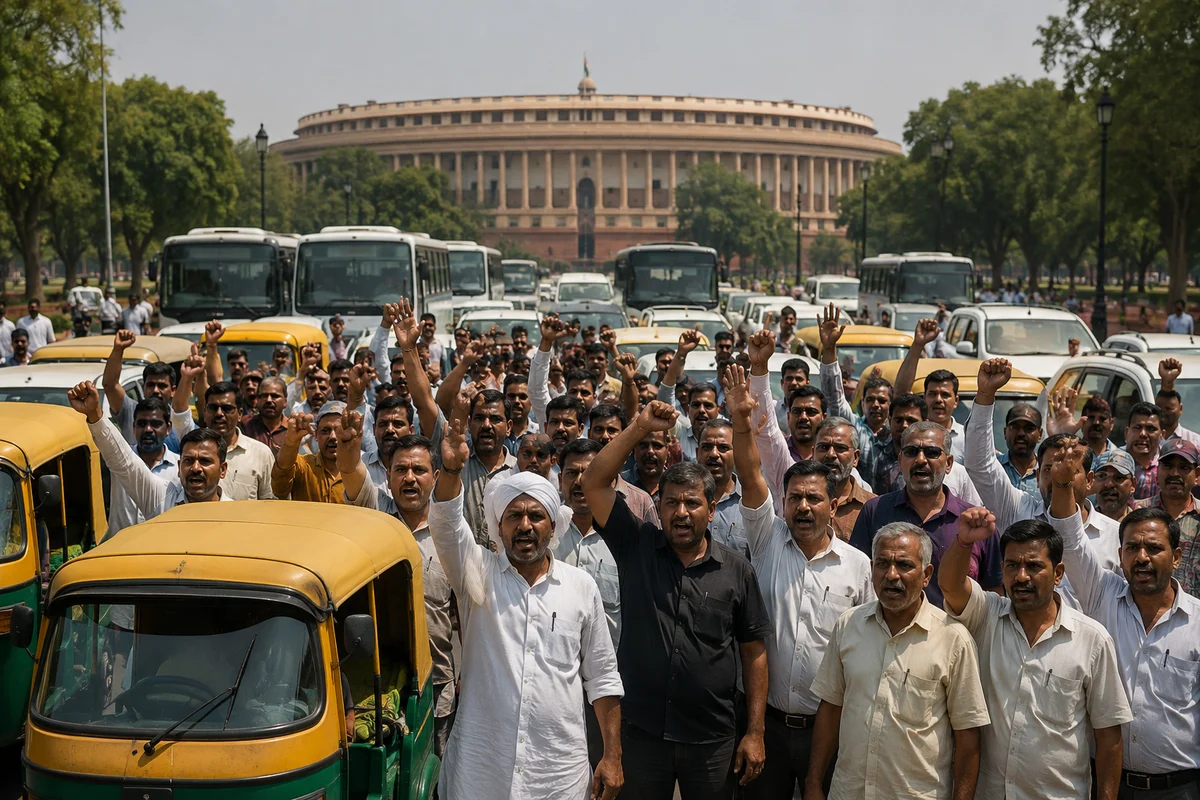
New Delhi: The Delhi Taxi and Tourist Transporters and Tour Operators Association has announced a peaceful march to Parliament on August 4, 2026, demanding an independent scientific review of the government's E20 ethanol-blended petrol policy. The association claims the fuel has led to reduced mileage, higher maintenance costs and engine performance concerns, particularly in older vehicles.
Speaking at a press conference, association president Sanjay Samrat said transport operators and vehicle owners from different parts of the country have reported declining fuel efficiency and rising operating expenses since E20 petrol was introduced. Many vehicles manufactured before 2015, he argued, were never designed to run on fuel containing 20 percent ethanol.
The association also questioned why consumers are paying the full market price for petrol while receiving ethanol-blended fuel. Its representatives argued that commercial transport operators, already grappling with rising operational costs, have seen their financial burden increase further under the current policy.
The organisation was careful to describe the August 4 march as peaceful and non-political, stressing that its aim is to raise issues affecting commercial vehicle operators rather than to support or oppose any political party. It has appealed to taxi, bus and truck unions from across India to join the demonstration in the capital.
Among its central demands is an independent, scientific review of the E20 policy that brings together vehicle owners, transport operators, automobile manufacturers, technical experts and consumers — one that would assess the fuel's long-term impact on vehicle performance, maintenance requirements and operating costs before the policy is expanded any further.
Beyond E20, the association has also called for a review of several other transport-related rules, including the 80 km/h speed limit imposed on All India Tourist Permit vehicles, restrictions on older commercial vehicles, vehicle scrappage norms and high toll charges, arguing that these measures collectively add to the burden already faced by transport businesses.
The Government of India has promoted ethanol blending as part of a broader strategy to reduce dependence on imported crude oil, support domestic ethanol production and lower vehicle emissions. However, transport operators involved in the protest argue that further independent assessment is needed to evaluate its real-world impact on fuel efficiency and older vehicles.
As of publication, the Central Government had not announced any change to the E20 policy or confirmed whether it would conduct the independent review sought by the association. The planned Parliament march is expected to bring together commercial transport operators from multiple states to press their demands.
Latest News
- Drone Crashes Near Itamar Ben-Gvir's Residence in Hebron
- From Students to a Nationwide Movement: The CJP Protest Explained
- Ukraine Claims Russia Preparing to Deploy 30,000 North Korean Troops
- UK Inquest Rules Saudi Prince's Death a Misadventure in London
- Muzaffarnagar Girl Dies by Suicide After School Humiliation
- Supreme Court Restricts Sharing of Court Hearing Recordings
- 19-Year-Old Protester May Lose Vision After Alleged Pellet Injury
- Supreme Court Declines Urgent Hearing on Student Protest Plea
- 10 Dead, 15 Trapped in Sikkim NHPC Tunnel Blast
- Media Propaganda: How It Shapes Public Opinion