Delhi Bus Gang-Rape Case: Driver and Helper Arrested, Investigation Underway
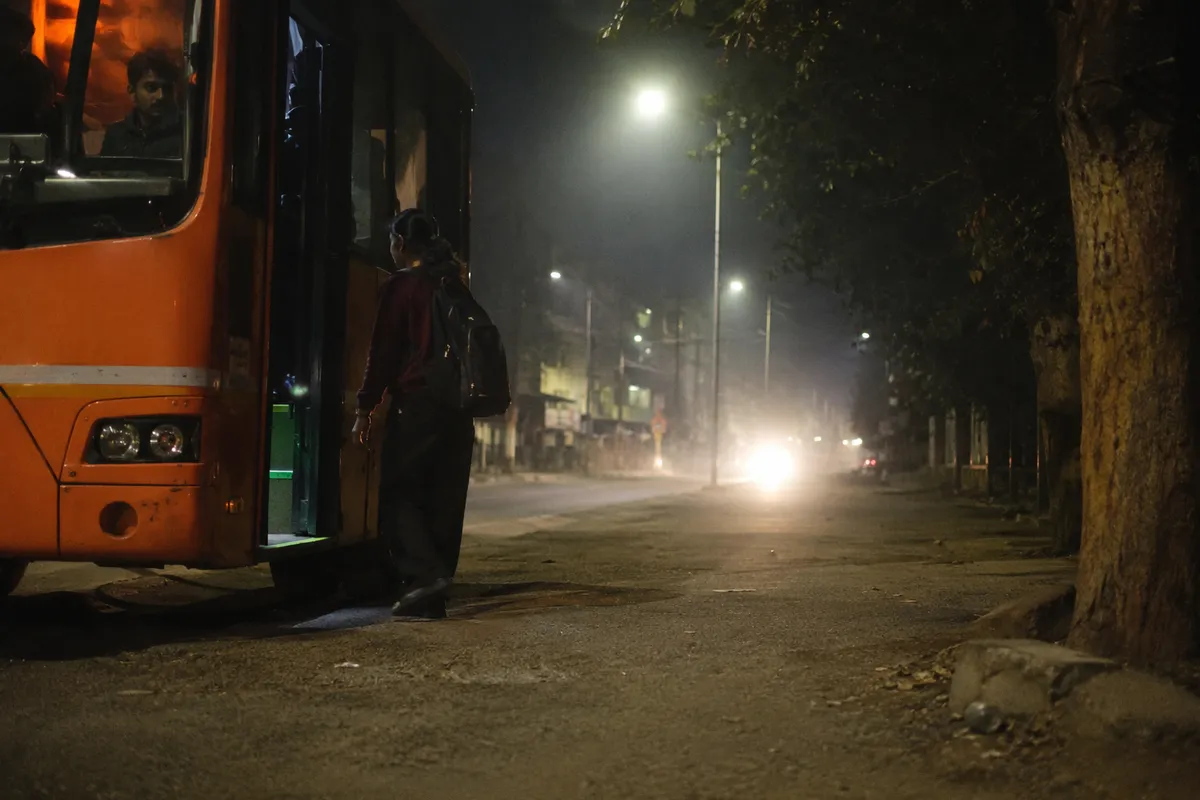
Late one night near Saraswati Vihar in Outer Delhi, a 30-year-old woman finishing her shift at a Mangolpuri factory stopped an orange sleeper bus to ask for the time. What followed, according to Delhi Police, was a sexual assault carried out by the vehicle's own driver and helper. The two men allegedly dragged her inside, drove toward Nangloi, assaulted her, and left her kilometres away from where they had picked her up. Both were arrested within days. The bus was seized. The investigation is continuing.
The case has triggered the kind of reaction that serious crimes against women in India reliably produce — outrage across social media, political statements from across party lines, and renewed demands for stricter action on public transport safety.
'We Have Seen This Before'
The parallels with the 2012 Nirbhaya case are hard to avoid. That December, a 23-year-old student was gang-raped on a moving bus in South Delhi and died of her injuries days later. The crime brought hundreds of thousands onto the streets, forced Parliament to pass tougher anti-rape legislation, and eventually led to the execution of four of the six convicts in March 2020. It was widely described as a turning point. Thirteen years on, women's rights groups say the scale of sexual violence in India has not meaningfully declined.
India recorded close to 29,500 rape cases in 2024, according to the National Crime Records Bureau — a figure researchers consistently describe as a serious undercount. Rajasthan has reported the highest number of rape cases for six consecutive years. Uttar Pradesh, Maharashtra, and Madhya Pradesh follow. Activists and researchers argue the real numbers are far higher: in rural areas and lower-income communities, many survivors never file complaints, facing stigma, family pressure, and a well-founded distrust of how police handle such cases. Countless incidents never make it into any official record.
Transport Safety Remains a Persistent Gap
Law enforcement agencies have for years flagged unmonitored private vehicles — shared cabs, autorickshaws, sleeper buses — as high-risk environments for women travelling at night. Mandatory GPS tracking, background checks for drivers, and CCTV requirements have been discussed and partially implemented in several states since 2013. On-ground enforcement has remained inconsistent.
Tamil Nadu's most recent crime data showed a sharp rise in serious offences against women. Several other states have reported growing numbers of assaults during late-night travel. Social media has changed how quickly some cases reach national attention — but for every incident that goes viral, many others are never reported beyond a local police station, if they are reported at all.
Delhi Police said the woman is receiving medical care and that the Nangloi case remains under active investigation. The two arrested men are in custody pending trial.
Latest News
- Has India's Diplomatic Momentum Slowed? Pakistan's Iran Deal Role Raises Questions
- DuckDuckGo 'No AI' Traffic Triples After Google I/O
- Twin Earthquakes Strike Venezuela, Killing 32 and Injuring Around 700
- US Waives Iran Sanctions 60 Days; Trump Warns on Compliance
- UK PM Keir Starmer Resigns, Andy Burnham Set to Replace
- Nobel Laureate John Jumper Leaves DeepMind for Anthropic
- UAE Bans Social Media for Under-15s in New Child Safety Law
- India Blocks Telegram Until June 22 Amid NEET-UG 2026 Re-Exam Fraud Fears
- Trump Says US-Iran Deal Near; Tehran Urges Caution
- DeepSeek Seeks $7.4 Billion Funding Round as Tencent and CATL Eye Stakes