Amazon Wins Appeal in Fur Tariff Fraud Case
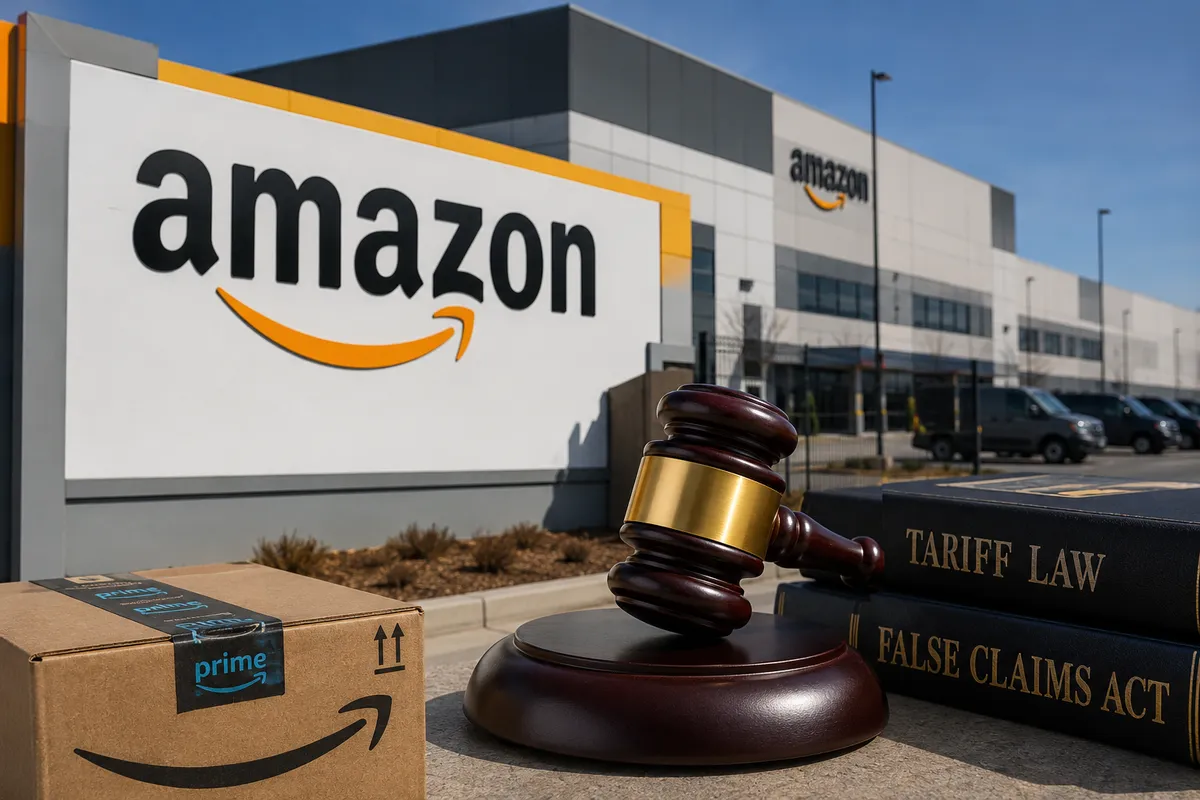
NEW YORK : A federal appeals court on Wednesday rejected claims that Amazon.com helped foreign fur manufacturers evade American import tariffs and inspection fees, handing the e-commerce giant a clear legal victory in a case that tested the limits of marketplace liability.
The Second Circuit Court of Appeals in New York upheld a January 2025 district court ruling dismissing the lawsuit, finding no evidence that Amazon knowingly participated in or recklessly ignored alleged customs fraud by sellers on its platform.
The case was brought by Mike Henig, owner of Henig Furs in Montgomery, Alabama, who alleged that foreign fur manufacturers systematically understated the value of imported shipments to pay artificially low tariffs between 2007 and 2024. Henig also alleged some manufacturers avoided U.S. Fish and Wildlife Service inspection fees by omitting required documentation and routing shipments through unmonitored ports.
The lower costs, Henig argued, allowed foreign sellers to undercut American competitors on Amazon's marketplace. He contended the company should have recognized the fraud because the prices were implausibly low.
The court disagreed. Circuit Judge Jose Cabranes, writing for a unanimous three-judge panel, said that below-market prices alone were insufficient to establish that Amazon knew false claims were being submitted to the federal government. The court pointed to legitimate explanations for lower prices, including cheaper overseas labor, large-scale manufacturing, and economies of scale.
The lawsuit was filed under the False Claims Act, which allows private citizens to sue companies on the government's behalf for fraud. The appeals court concluded the plaintiff had not met the legal threshold required to hold Amazon liable.
Amazon has long faced efforts to hold it legally responsible for the conduct of third-party sellers on its platform. The Seattle-based company last year surpassed Walmart to become the world's largest retailer by annual revenue.
The company faces a separate and unrelated tariff dispute. Last week, consumers filed a proposed class-action lawsuit alleging Amazon raised prices in response to tariffs imposed by President Donald Trump's administration and then declined to issue refunds after the U.S. Supreme Court struck down those tariffs in February. The Court ruled 6-3 that Trump had exceeded his authority under the International Emergency Economic Powers Act.
That lawsuit alleges Amazon collected hundreds of millions of dollars through inflated prices and chose not to seek government refunds in order to preserve its relationship with the Trump administration. Similar suits have been filed against Costco, FedEx, and Nike.
Amazon and legal representatives for Henig did not respond to requests for comment.
Latest News
- Greater Israel: How Ideology Is Becoming Facts on the Ground
- BJP, Meta and India’s Growing Power Over Online Content
- USCIRF Seeks Sanctions on RSS Ahead of Mohan Bhagwat’s US Visit
- Gaza Death and Injury Toll Exceeds 11% of Pre-War Population
- Humanoid Robots Could Patrol U.S. Southern Border
- Ukraine Corruption Concerns Put Pressure on EU Accession
- Hefner Contacted FBI Over Epstein in 2005, Lawsuit Says
- Five Shot Near Virginia State University Dorms; One Critical
- South Korea’s Lee Calls for North Korea Peace Talks
- Cristiano Ronaldo Marries Georgina Rodriguez in Portugal